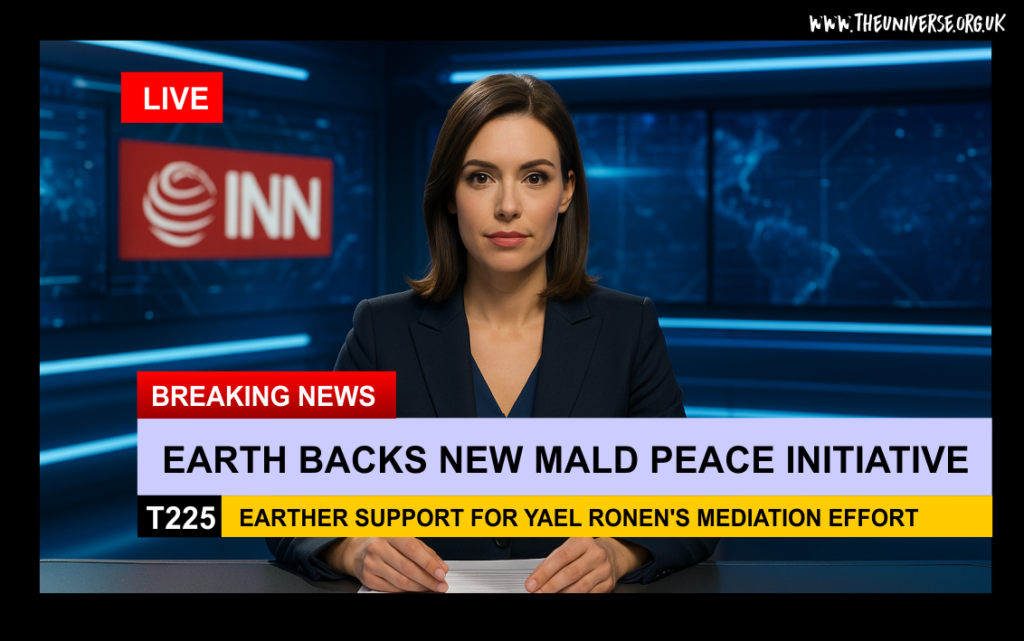
The Earth Empire has launched a coordinated media campaign across Quadrant 7 in support of Yael Ronen’s diplomatic mission to stabilise New Mald. Framing the initiative as a “moment for unity and renewal,” Earth’s communications highlighted the need for dialogue over violence and reaffirmed the Summit’s commitment to peaceful resolution.
State broadcasts, social media outreach, and diplomatic messaging all underscored Ronen’s credentials as a neutral mediator, while urging local factions to engage in good faith. Observers report that the campaign has improved public perceptions of the mediation process and is placing mounting pressure on militant actors.
The Empire’s intervention marks a rare moment of alignment across major powers, with hopes rising for a negotiated settlement.
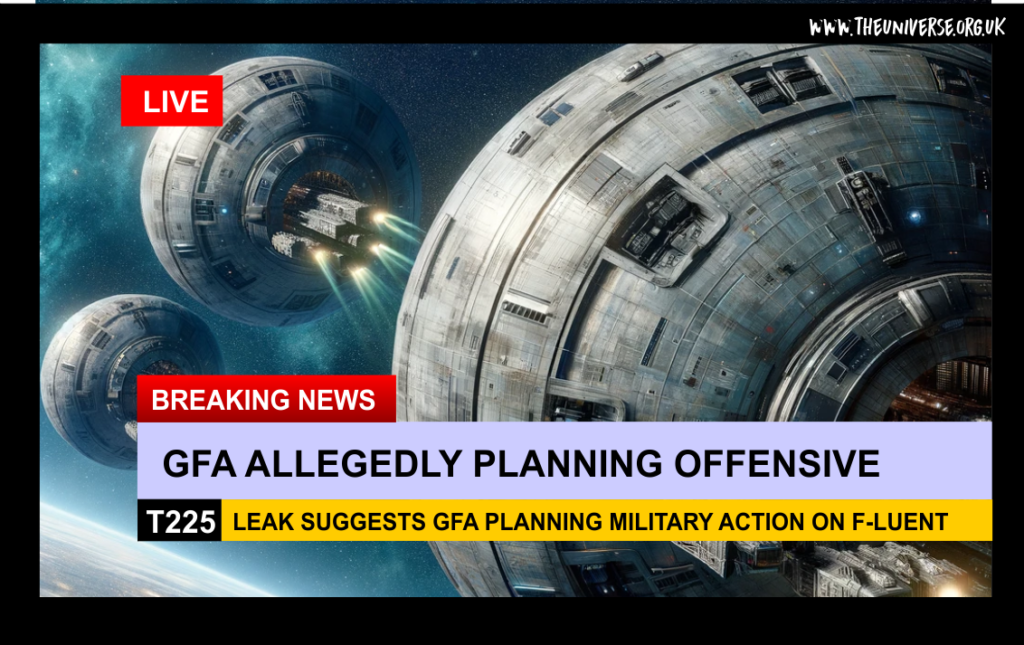
Shockwaves rippled through diplomatic circles today following the release of an alleged intercepted transmission suggesting the Greater Federation of Asteel (GFA) is considering a planetary military intervention on F-Luent. The leak, published by the independent watchdog Orbital Rights Observatory, appears to be a burst-code message between a GFA forward base and elements of its fleet stationed near the SSR border.
The GFA has yet to comment officially, but analysts say the presence of a full Battle Squadron in-system—without public explanation—has already drawn criticism from neutral observers. With tensions on F-Luent still high over the controversial Steelyard Special Economic Zone, the leak has raised serious concerns over GFA intentions and potential escalation.
SSR-aligned figures have called for immediate clarification, while several interstellar NGOs have urged restraint. The Union of Xyon has offered to host emergency talks if required. The GFA’s next move will be closely watched.
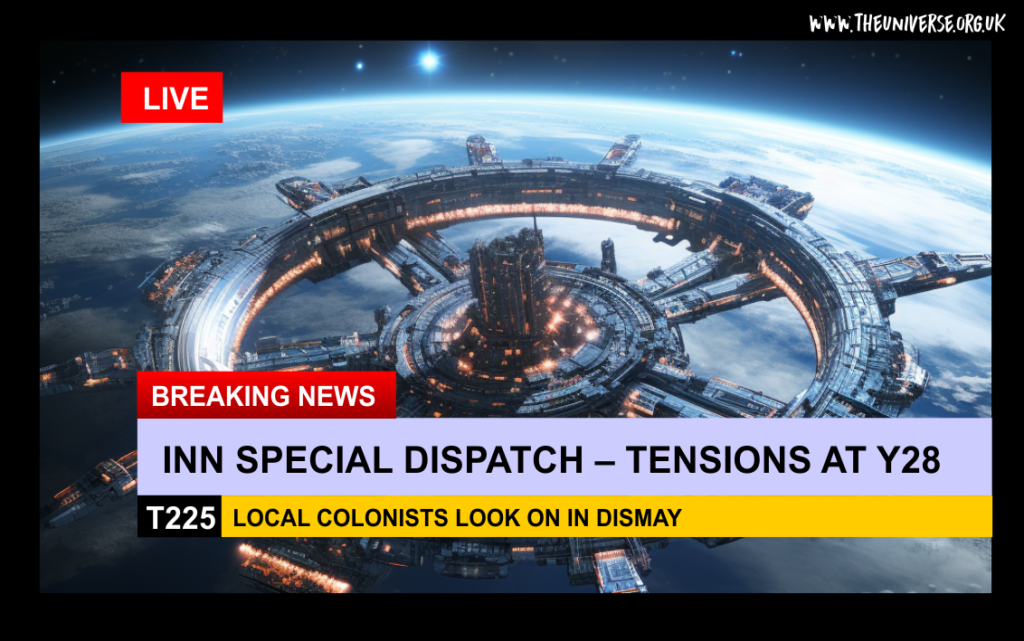
Civilian shipping in the Y28 system has reported the sudden and unexplained arrival of two full battle squadrons—one from the New Republic, the other from the Greater Federation of Asteel. Freighters describe tense manoeuvring between the fleets, with vessels apparently posturing aggressively in close proximity. No shots were fired, but witnesses spoke of “moments where a collision seemed imminent.”
The reason for this dual deployment is unclear. Some analysts speculate the squadrons may have been conducting a joint exercise—though the lack of coordination suggests otherwise. Others whisper of a covert raid on hidden pirates or criminal syndicates, while conspiracy theorists claim both sides were preparing to test each other’s resolve.
What is beyond dispute is that New Republic and Asteel warships confronting each other in the same system marks a troubling development. If not managed carefully, such encounters could turn routine deployments into sparks of open conflict.
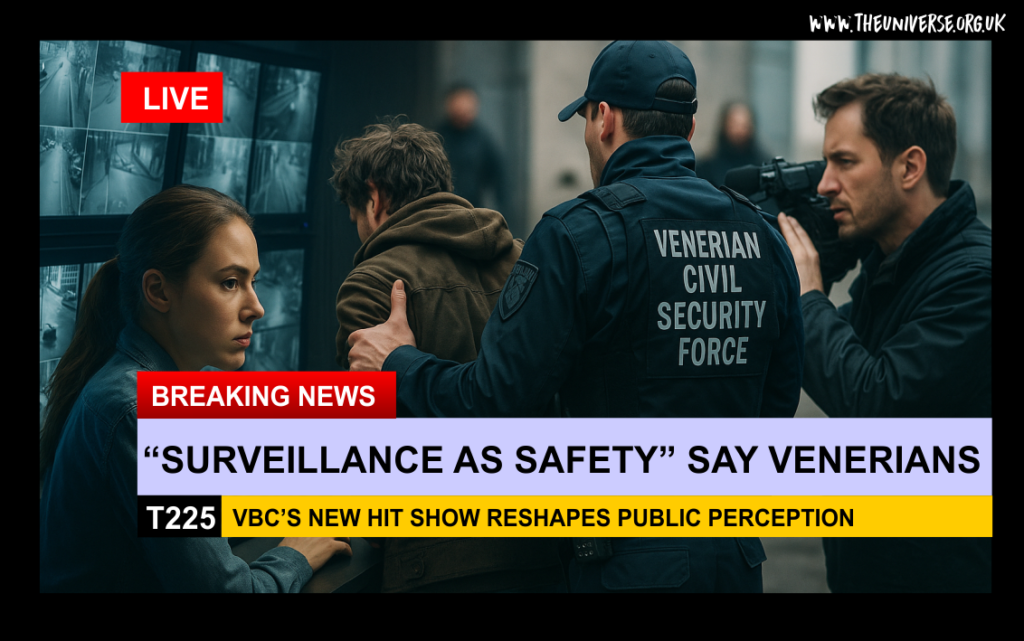
The Venerian Broadcast Corporation has scored a major success with its new reality series Security Forces, Surveillance, Action!, which premiered this week to record viewership figures across multiple demographics. The programme features real-life footage of Venerian Civil Security Forces in action—intervening in crimes, de-escalating antisocial incidents, and saving lives—all while demonstrating the vital role state surveillance plays in keeping communities safe.
The series has been praised for its transparency and gripping content, blending public education with entertainment. It also highlights the darker side of unregulated privacy tech, warning viewers about the dangers of so-called “privacy cells,” which have been linked to criminal exploitation.
Colonel Vassily Kachinski, a respected social psychologist, served as consultant to ensure the show aligned with broader civic messaging. Early polls indicate rising public confidence in the surveillance framework. Officials are already calling it a landmark in public communication.

The Wolf359 Commonwealth has launched a new media initiative, extending its campaign celebrating the “virtues of Wolfer membership” across Quadrant 7. Officials emphasised recent successes on V4, where investment has boosted infrastructure and public confidence. The blitz highlights the Commonwealth’s claim to combine prosperity with a “light and decent” hand in governance.
Independent analysts note that while the campaign has been broadly well-received, especially among emerging colonies, it also reflects a calculated effort to counter recent criticisms from locally elected officials. Observers suggest the blitz may bolster the Commonwealth’s soft power at a time when rival polities are preoccupied with crises elsewhere. Whether charm alone can offset structural challenges, however, remains to be seen.
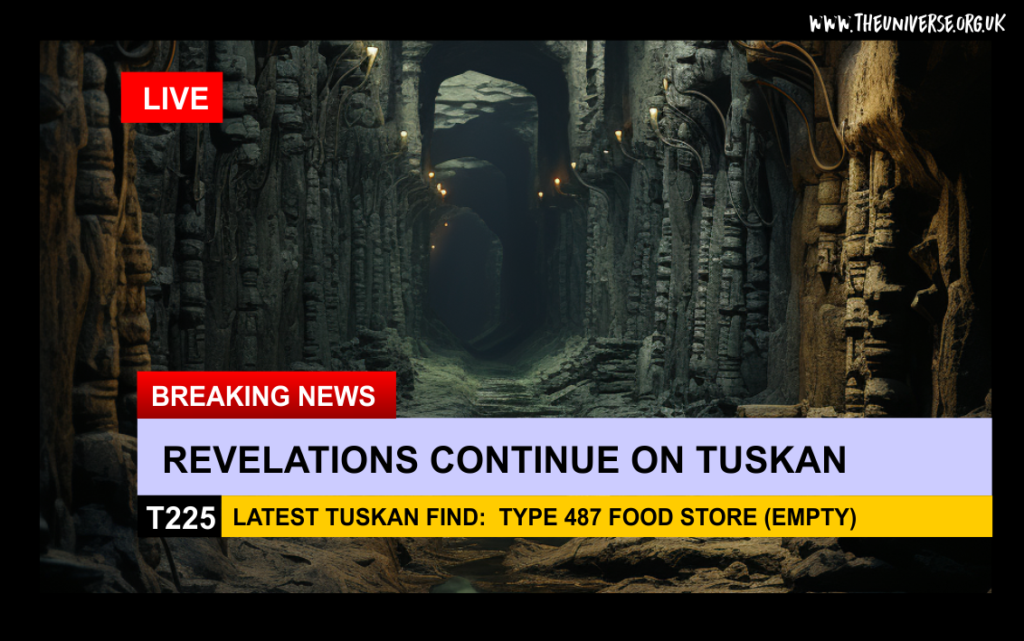
Archaeologists at the Tuskan Dig have uncovered a Type 487 Forerunner Food Store, though the chamber was found entirely empty. Located in a collapsed sublevel adjoining several habitation areas, the structure exhibits sealed containment alcoves and nutrient storage recesses typical of this classification. Chemical analysis indicates that organic matter was once present but has long since degraded, leaving only trace residues. Despite its emptiness, the find is significant: Type 487 stores are rare and provide valuable insight into the logistics of Forerunner settlements. Researchers note its placement suggests community-scale provisioning rather than individual or elite use.
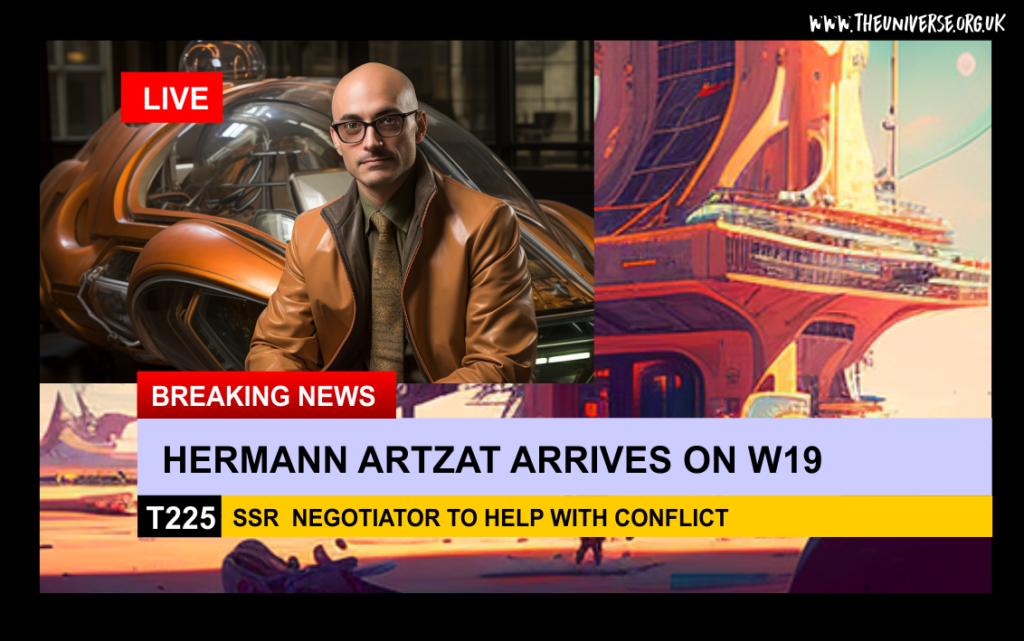
Hermann Artzat, a senior negotiator from the Sirius Socialist Republic (SSR), has arrived on W19 to begin talks with local authorities and corporate representatives amid the aftermath of the colony’s recent conflict. Officially described as “exploratory engagement,” his mission focuses on stabilisation, trade, and labour rights following the war that devastated large sections of the settlement. With Funk Box Resource Logistics (FRL) now headquartered on W19, the planet has become an important economic hub despite lingering scars of violence. Artzat’s reputation as a firm but pragmatic mediator suggests the SSR aims to shape W19’s recovery and secure influence in its rebuilding.
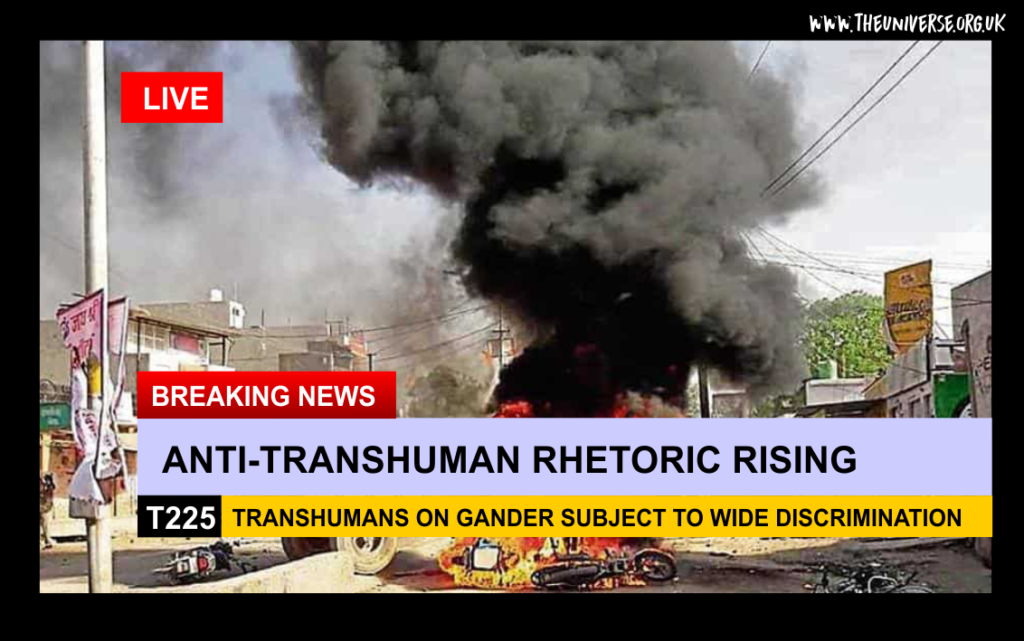
The colony world of Gander C is experiencing a troubling rise in discrimination against transhumans, with reports indicating growing social and institutional hostility across all three colonial groups. Once tolerated, transhuman communities—individuals enhanced with cybernetic or technological modifications—are increasingly being portrayed as outsiders and threats to cultural cohesion.
The Imperial Sub-continent Colony, governed as a theocracy under Elder Josiah Emmitt, has taken the hardest stance, issuing proclamations that enhancements represent “an affront to divine order.” Transhumans have been barred from religious leadership roles and excluded from land allocation schemes. Within the Original Advancement Combine, political rhetoric has turned against cyborg workers, particularly in debates over scarce healthcare resources. Reformist voices argue that advanced prosthetics and augmentations give unfair advantages in employment and survival on a poor colony still struggling after the “Big Freeze” of 3230.
The Our Quest of the North technocracy, once a natural ally of transhumans, has distanced itself in response to populist pressure, restricting access to Energen-funded technical posts. Sporadic violence has also been reported, with transhuman homes and businesses vandalised in mixed settlements.
Observers suggest fear of being marginalised in the wake of the sentient AI discovery in the asteroid belt (3234) has fuelled this prejudice, with colonists fearing both machines and those who resemble them.
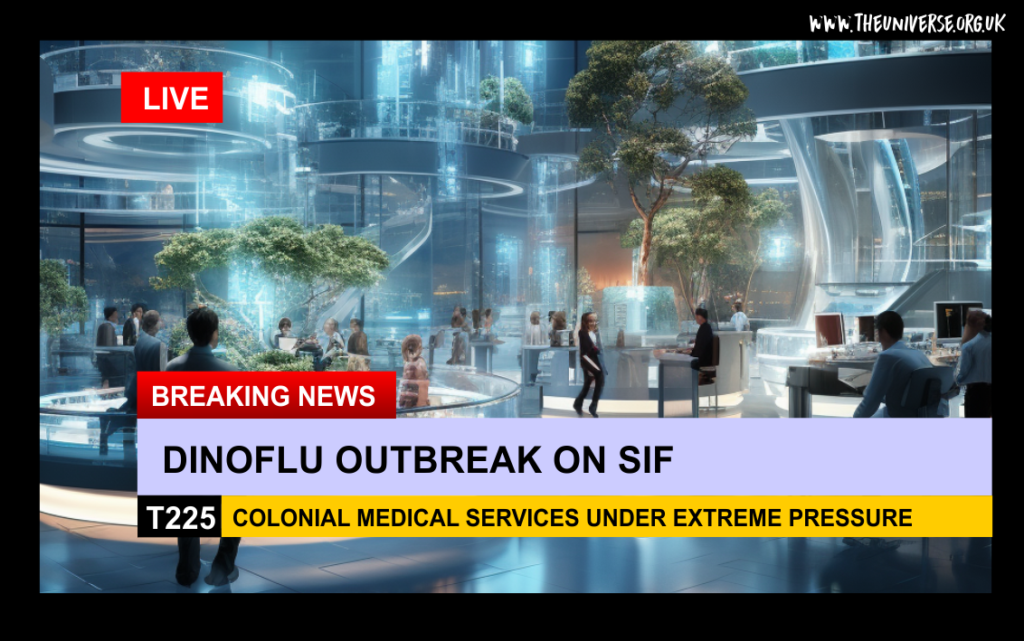
Authorities on Sif have confirmed a significant outbreak of DinoFlu, one of the most virulent influenza strains known in Quadrant 7. First identified in Megadon populations, the virus has now spread widely among colonists, with cases reported across all three political entities on the planet.
The Free Republic of Sif (FRS) appears hardest hit, with agricultural workers believed to have contracted the disease through contact with contaminated Megadon meat and droppings. Prime Minister Rufus Dini has declared an emergency, imposing quarantines in affected districts. In Colony 4711, CEO Marie Merryweather has mobilised company resources to protect vital industrial sectors, while the authoritarian Sif Motherland has imposed curfews and strict military oversight of infected zones.
DinoFlu is particularly severe among the genetic Naturals population, with symptoms including fever, severe chills, joint pain, rash, and, in many cases, pneumonia. Genetic Perfects show much higher resistance, but even they are not entirely immune. With current vaccines expensive and in short supply, especially on poorer worlds like Sif, treatment quality remains inconsistent.
Sif Industrial Holdings (SIH) has pledged logistical support, though critics allege corporate priorities lie in keeping trade flowing. Health experts warn that without urgent off-world medical aid, the DinoFlu outbreak could overwhelm Sif’s fragile infrastructure and spread further across Quadrant 7.

A dramatic step toward peace was taken this week as rival leaders from the Northern Kingdom and Colony 419 convened aboard the SSR 2/4th Shock Fleet flagship for an unprecedented naval state-dinner and negotiation summit.
Hosted by the Sirius Socialist Republic and facilitated by renowned mediator Hermann Artzat, the talks produced a provisional ceasefire, prisoner and refugee exchanges, and agreement in principle on the creation of a Joint Resource Authority (JRA) to manage the contested Gunter Valley. The JRA will be overseen by the SSR, with observer rights granted to the Union of Xyon.
Publicly positioned as a neutral effort to protect W19 civilians from war, the summit saw SSR marines deployed as peacekeeping guarantors. Diplomats praised the SSR’s balanced approach, with one observer noting that “this could mark the beginning of a structured end to one of W19’s most dangerous stand-offs.”
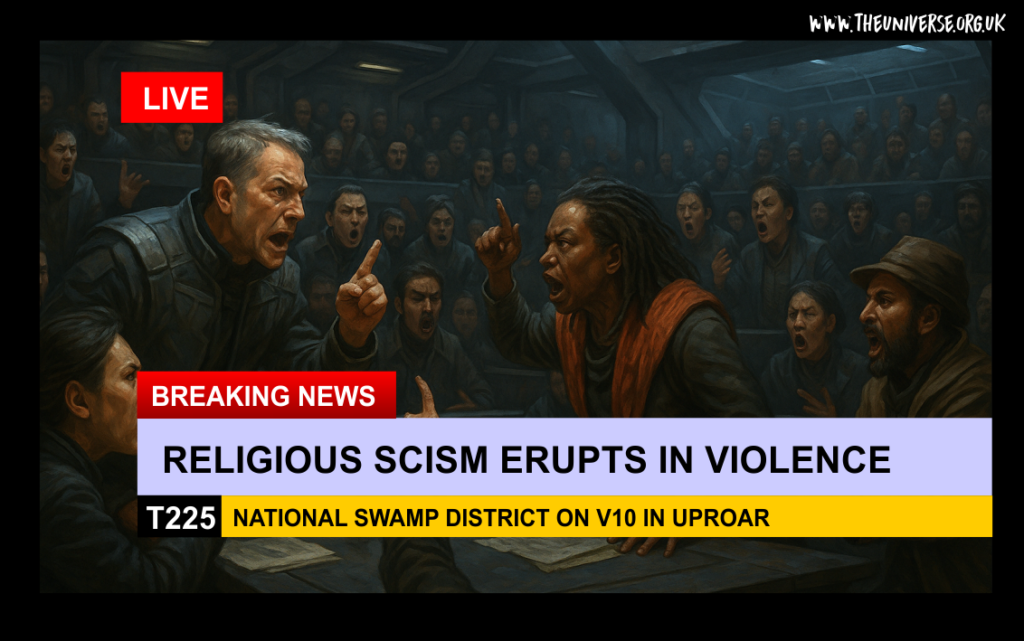
The National Swamp District colony on V10 is facing its most serious internal crisis to date, as a deepening religious schism within the ruling theocracy has escalated into open violence. The colony, founded with investment from Priest Engineering, has long adhered to the New Davidian faith, which serves as the unifying religion across V10. However, disagreements over doctrine and governance have recently split the faithful into rival factions.
On one side, traditionalist clerics argue for a strict, literal interpretation of New Davidian scripture, demanding absolute obedience to clerical authority. Opposing them are reformist leaders who claim the faith must adapt to the colony’s persistent poverty and advocate a greater role for secular administrators in resource allocation.
Clashes between supporters of both factions have erupted in several swamp settlements, with temples vandalised and reports of armed skirmishes along key transport routes. The fragile colonial security forces, drawn from loyalist militias, have proven unable to contain the unrest, and there are fears that violence could spill into neighbouring territories.
This schism undermines not only the National Swamp District’s governance but also the delicate balance between V10’s three colonial groups, raising concerns that instability could fracture the planet’s fragile coexistence.
